How GPS Tracking Protects Your Family in 2026
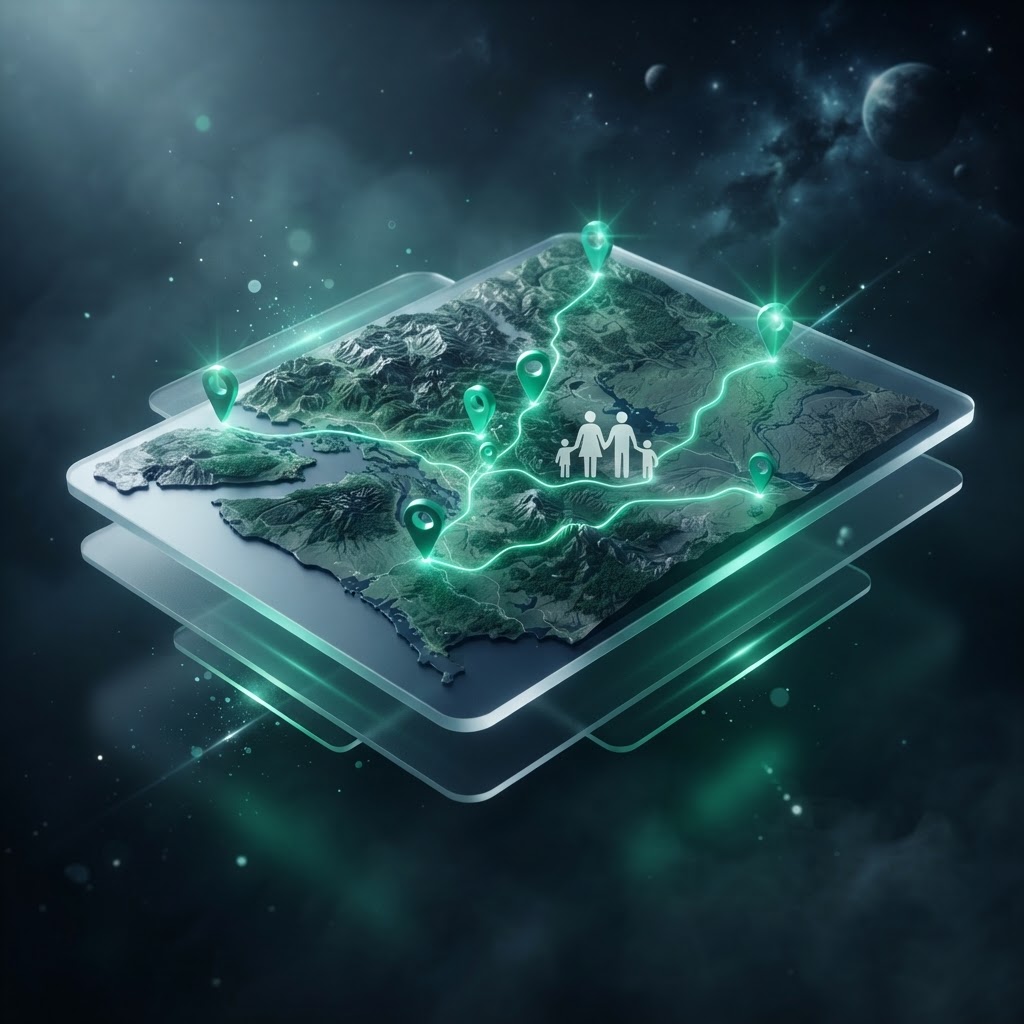
Modern GPS technology has evolved far beyond simple location pins. Learn how real-time tracking, geofencing, and route history work together to create a comprehensive safety net for your loved ones.
GPS tracking technology has undergone a remarkable transformation in recent years. What was once a simple dot on a map has evolved into a sophisticated safety ecosystem that can provide peace of mind for families around the world.
Modern GPS tracking systems like PhoneKeeper utilize a combination of satellite positioning, cellular triangulation, and Wi-Fi positioning to achieve accuracy within a few meters. This multi-source approach ensures reliable tracking even in urban canyons where traditional GPS signals may be obstructed.
One of the most powerful features available today is geofencing — the ability to set virtual boundaries around specific locations. When a monitored device crosses these boundaries, an instant alert is sent to the parent or guardian. This is particularly useful for ensuring children arrive safely at school, stay within designated play areas, or don't venture into potentially dangerous neighborhoods.
Route history is another critical component. By reviewing the paths taken by a family member throughout the day, parents can verify that their children are following safe routes and identify any unexpected detours that might warrant a conversation.
The technology also extends to emergency situations. If a family member is in distress, their real-time location can be shared with emergency services, potentially cutting response times and saving lives.
As we move further into 2026, GPS tracking continues to improve with better battery efficiency, more accurate indoor positioning, and integration with smart home ecosystems. The result is a comprehensive safety net that works seamlessly in the background, providing protection without being intrusive.